


From Mugicha to Sake: My Table Tips from Japan

 AI-generated
Article
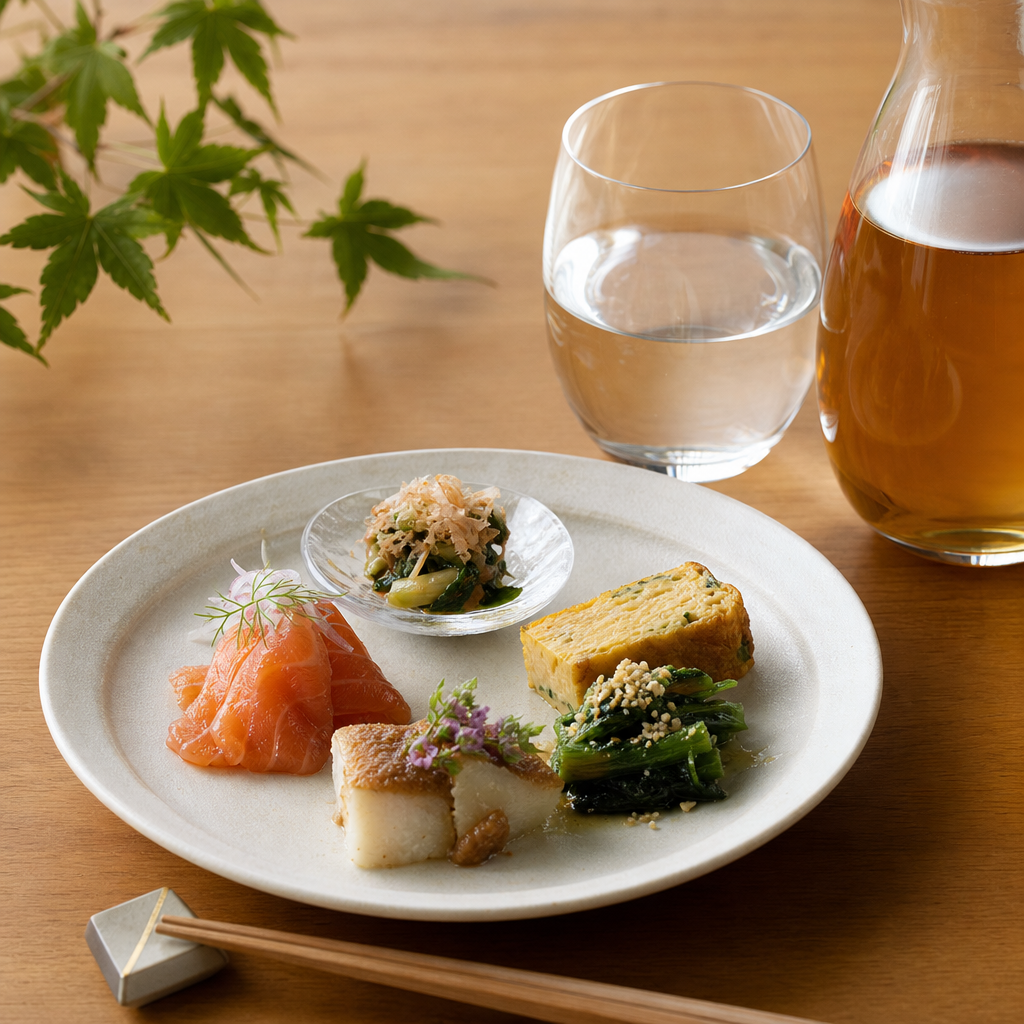
In LaBouffe, I am always looking for tips that make a meal feel more balanced, smoother, more alive. With Japan, I find exactly that: a very refined way of thinking about drinks as part of the flavour experience, rather than a mere side note. When I imagine an evening in Tokyo, with Shibuya’s energy pulsing without ever overwhelming me, I think of understated, luminous glasses that follow the rhythm of the meal and allow flavours to breathe. It is a way of eating that I love, because it speaks of balance, calm, and very tangible little gestures. When it comes to non-alcoholic drinks, I always make room for mugicha, this roasted barley infusion that I drink well chilled in hot weather. I love it because it cuts through the richness of a generous bento, still-warm karaage, or a meal eaten quickly, without feeling heavy. I also use hojicha a great deal; its more roasted character goes beautifully with a sesame sweet, a mochi, or even a simple late-afternoon snack, bringing a rounded note that calms me. And when I want a small indulgent alcohol-free touch, I enjoy amazake for its cereal-like sweetness, especially in winter or after an overly packed day. I also think of a very lightly sweetened yuzu drink, topped up with sparkling water, which I happily serve as an aperitif with tsukemono or a few crisp vegetables. For alcoholic drinks, I remain very attached to sake, because it can be subtle or generous depending on the dish. I find it perfect with sashimi, grilled fish, light tempura, or even an assortment of small plates to share, when I want to keep the palate clean. Umeshu often serves as a gentle aperitif for me: I drink it chilled, sometimes over ice, when I want to begin the evening with something fruity, and I gladly pair it with savoury bites such as edamame, pickled radishes, or simple skewers. Shochu has a different presence—drier, earthier; I like it with grilled dishes, glazed meats, or roasted vegetables, and find it especially apt diluted with hot water when I want something comforting. If I feel like wine, I think of a Japanese Koshu white, delicate and taut, which goes wonderfully with fish, vegetables, or refined cooking. And for slightly longer end-of-meal conversations, a well-balanced Japanese whisky can extend the moment beautifully without overpowering everything else. My two simplest tips are these: first, I choose the drink’s temperature according to the dish—cold to lighten fried food, warm to accompany gentler fare; then I consider its texture on the palate, because a roasted tea, a dry sake, and an umeshu do not open up a meal in the same way at all. I think this Japanese approach suits me very well: I am not looking to multiply effects, but for the right pairing at the right moment. And perhaps that is where I most find my desire for genuine sharing: around a well-chosen drink, I feel that the table becomes gentler, more precise, more welcoming. I still believe in encounters that do us good, and in Japan I often imagine them beginning just like this, with a simple drink that knows how to listen to the dish. Excessive alcohol consumption is dangerous to your health. Drink responsibly.
Information
Where: JP