

I Cook Canadian Food with a Few Seasoning Touchstones

 AI-generated
Article
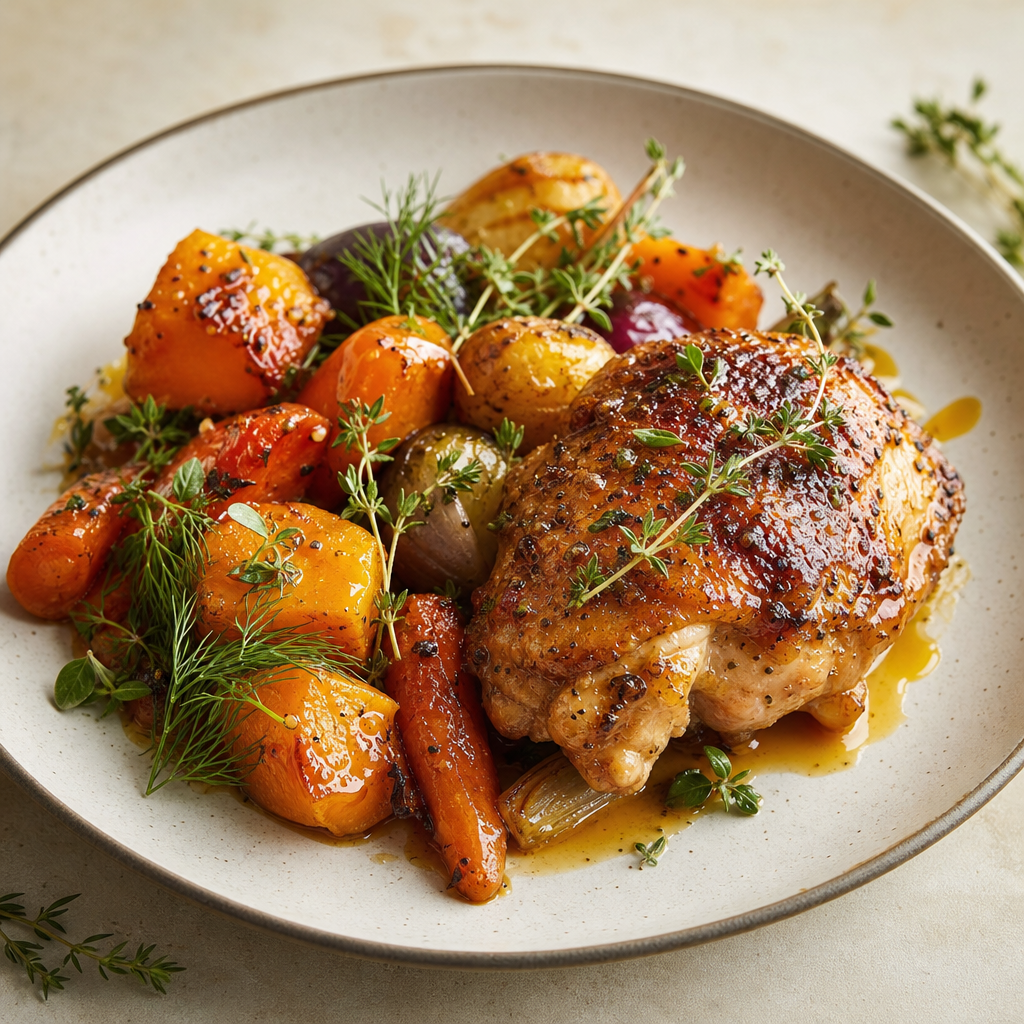
I cook Canadian food with a few seasoning touchstones, because I like dishes that are clear and flavours that stand on their own without scattering in every direction. When I come back from a walk on the Plateau in Montréal, or when I stop a podcast episode to get to the stove, I almost always return to the same foundations: maple syrup to round things out, summer savoury and thyme to give stews depth, dill for fish and vegetables, then tourtière spices, with a little cinnamon, nutmeg, clove, and pepper. I find that this way of seasoning says a great deal about Canada: a seasonal, precise, warm cuisine, where I seek balance before effect—much as I do in the way I speak or work—without playing a role or overdoing it. I also keep a few very practical uses in mind, because that is where tips become truly useful. For baked salmon, I often combine dill, black pepper, and a subtle touch of maple; I let the natural sugar glaze the flesh without covering it, and I get a simple but clean dish, very Canadian in spirit. For roast turkey or leftover cold meat, I am happy to make a cranberry sauce with a little sugar, a hint of cinnamon, and a light acidity, and I find that it brings just the right contrast, especially when it is cold. When I am in the mood for real comfort food, I think of poutine and its brown gravy: I want it peppery and properly thickened, with onion and stock at the forefront, because an overly heavy sauce soon becomes tiring, whereas a well-executed one supports the whole dish. I do the same with pea soup or a bean stew: I add summer savoury, taste, then adjust calmly, because I will always prefer one well-placed herb to a handful of aromatics that muddle the message.
Information
Where: Canada