


My Belgian Tips for Adding Flavor Without Weighing Things Down

 AI-generated
Article
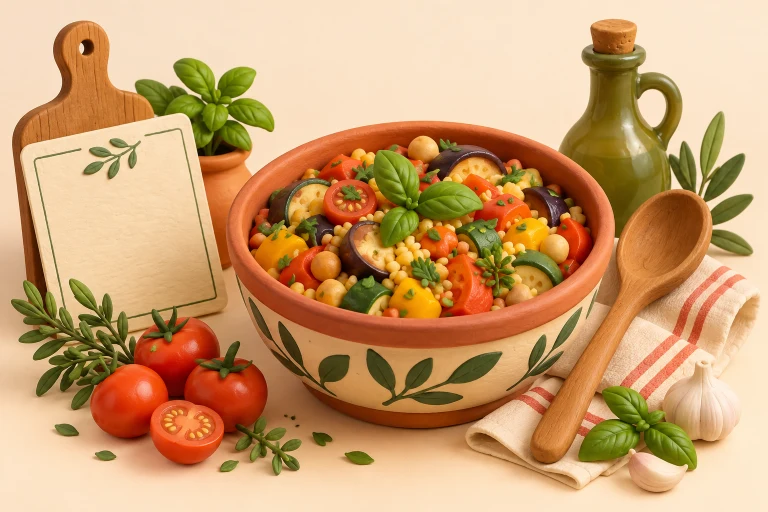
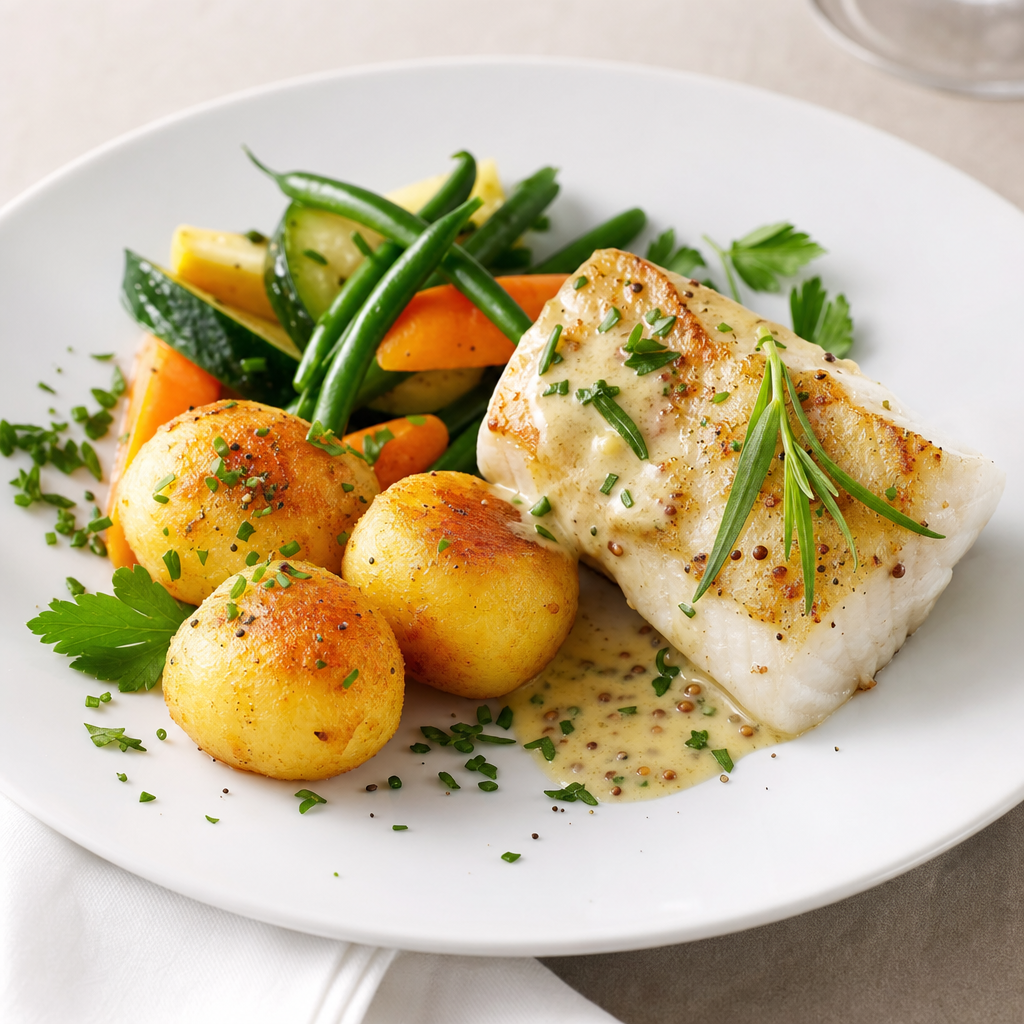
In LaBouffe, I mainly talk about what truly changes a dish in everyday cooking: a well-chosen herb, a well-measured sauce, a spice that wakes things up without overpowering them. I cook simply, because I prefer to taste the foundation of a dish rather than pile on effects, and that is where Belgium speaks to me: I find a straightforward, generous cuisine, with unapologetic sauces and aromatics that serve the flavor instead of masking it. I stay true to that idea in my meals as in my way of life: I seek precision, not spectacle, and I keep flavors clear. In my garden in Mouscron, I often pick flat-leaf parsley, chives, thyme and a little bay leaf; I use them in an omelette, steamed potatoes or a stoemp, where the green notes bring clarity without disrupting the softness. I also make real room for Belgian classics: a properly emulsified homemade mayonnaise for fries, a hint of mustard in a cold sauce, an andalouse or samurai sauce when I want character, but I use them sparingly because I look for balance before excess. I also like to make Flemish beef stew by browning the onion, then letting the thyme, bay leaf, pepper and dark beer work together; I finish it with a touch of Liège syrup, and I find there a very Belgian flavor—at once rounded, deep and direct. For a second concrete example, I often go for tomato shrimp with lightly lemony mayonnaise and plenty of parsley, or hard-boiled eggs enhanced with chives and mild mustard: simple gestures, but they bring rhythm and dimension without weighing down the plate. That is exactly what I look for in LaBouffe: useful tips rooted in my daily life, my tastes, and a Belgian culinary tradition that knows how to remain clean and clear while still being indulgent.
Information
Where: Belgique