P’tites Annonces · Papouasie-Nouvelle-GuinéePapua New Guinea
COUNTRY
Country profile
Discover Papua New Guinea
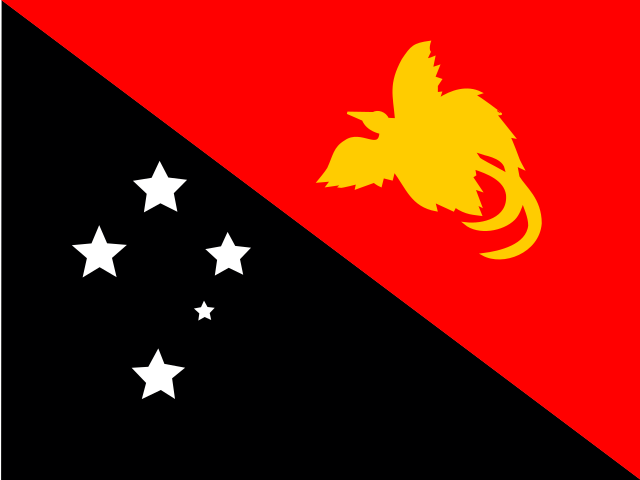
Papua New Guinea includes the eastern part of the large island of New Guinea and numerous Pacific archipelagos. Mountains, valleys, rivers and coasts accommodate exceptional linguistic diversity. Practices in the highlands, along the Sepik and in island regions cannot be gathered into one uniform tradition. Sculptures, masks and ornaments have specific social or ceremonial functions that deserve distinction from representations prepared solely for visitors. Gatherings often called sing-sing bring together songs, dances and clothing that make participating groups' identities visible. Objects and colours gain meaning within local histories and community relationships. Mumu refers to cooking using heated stones and foods arranged together, with variations in preparation. Tubers, bananas, vegetables, fish or meat enter meals according to resources and occasions. In several contexts, preparing and distributing food involves collective work. Cooking therefore expresses environments and social connections while changing through contemporary exchange. Understanding particular communities is essential to appreciating the skills and meanings behind the country's widely recognised ceremonial images.
Browse all publications in this territory, then narrow them by TAG.