
P’tites Annonces · Îles Turques-et-CaïquesTurks & Caicos Islands
COUNTRY
Country profile
Discover Turks & Caicos Islands
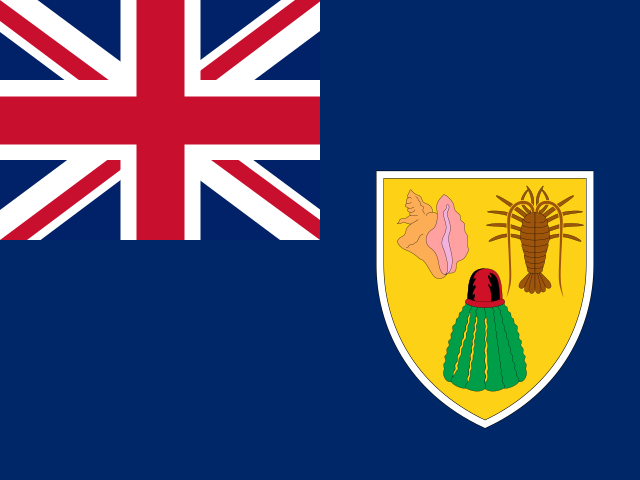
Southeast of the Bahamas, the Turks and Caicos Islands consist of low limestone lands, lagoons and extensive coastlines. Grand Turk, South Caicos and Salt Cay retain memories of a salt economy, whereas Providenciales now has more internationally connected businesses and restaurants. African, Caribbean and British heritage meets in celebrations, stories and practical skills. Ripsaw music gains its distinctive sound from a saw whose teeth are scraped to create rhythm. Turning this everyday tool into an instrument demonstrates community ingenuity and gives dancers a recognisable accompaniment. Straw and palm-leaf weaving likewise passes on knowledge of local materials. Conch, a large marine snail, is a prominent culinary reference: its meat is prepared in salads, fritters and simmered dishes. Fish, peas and rice, and other Caribbean accompaniments complete household meals. Older family recipes remain especially visible on the smaller islands, while restaurants on Providenciales combine local produce with imported ingredients. Fishermen’s gatherings and celebration meals connect cooking with transmission, neighbourhood relationships and memories of marine resources. Different island settings therefore reveal complementary food traditions, rather than a single menu that represents every community equally.
Browse all publications in this territory, then narrow them by TAG.