
P’tites Annonces · Îles SalomonSolomon Islands
COUNTRY
Country profile
Discover Solomon Islands
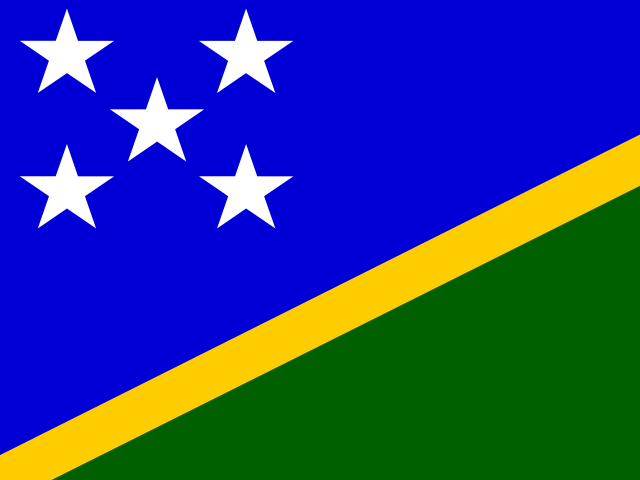
The Solomon Islands stretch across the western Pacific through mountainous islands, reefs and lagoons. Guadalcanal, Malaita and the other provinces support many languages and differing customs, with predominantly Melanesian cultures and several Polynesian communities. Kastom describes inherited ways of living and organising relationships; wantok expresses obligations of mutual support among people connected through language and kinship. These ideas take local forms rather than reducing every society to one model. Shell money, notably around Langalanga Lagoon on Malaita, has ceremonial significance in alliances and exchanges. Panpipe music, especially developed on Malaita, expresses another form of collective skill. Canoes and carvings with shell inlay demonstrate close relationships with the sea. Everyday meals combine taro, sweet potato, coconut and fish, with pork or chicken added for some occasions. Markets bring together produce arriving from neighbouring islands and connect rural growers with town households. Preparing and distributing food at a family gathering helps maintain relationships, while recipes and serving customs vary between provinces. Contemporary foods coexist with these practices, making the shared table a useful way to understand both enduring community ties and the archipelago’s considerable cultural diversity.
Browse all publications in this territory, then narrow them by TAG.