


My South African Drink Benchmarks, from Rooibos to Cap Classique

 AI-generated
Article
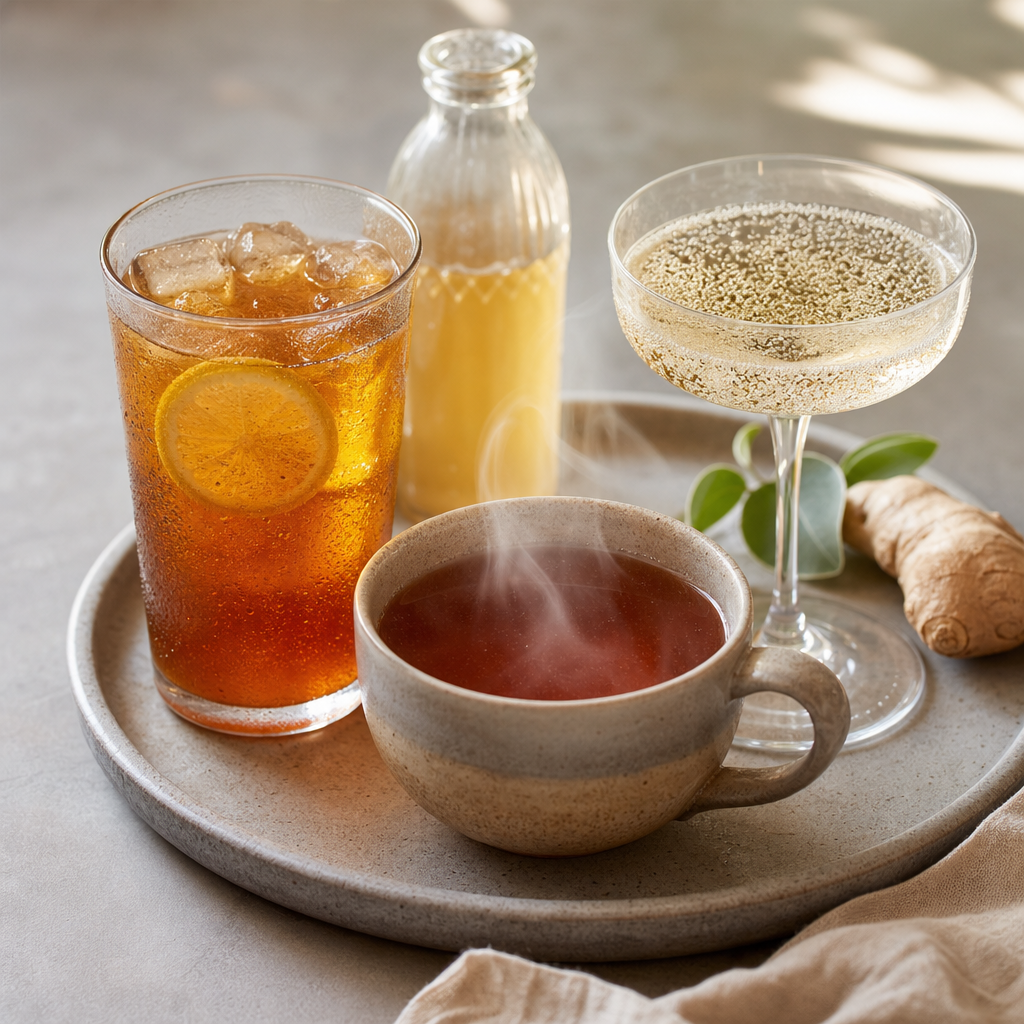
I take the time to get to know people before opening up, and I think that is why I am so fond of drinks that tell the story of a region without ever overstating it. In South Africa, I first think of rooibos, which I drink hot when I need calm, or iced with a splash of lemon when the day begins to ease. I also like the local ginger beer, lively but not aggressive, because it pairs well with spicy food without taking attention away from the flavours. At the foot of Table Mountain, I can easily imagine this blend of restraint and character: something simple, balanced, almost understated, yet always sincere. In LaBouffe, that is exactly what I look for: a balance between pleasure and moderation, without excessive talk or artificial effect. When I think of the country’s typical alcoholic drinks, I naturally turn to Cape wines, especially a dry Chenin Blanc as an aperitif or with grilled fish, and a Pinotage when I am preparing roast meat or a dish more strongly marked by spices. I also like Cap Classique, which I find just right for starting a meal with a few savoury bites, samoosas or biltong, because it remains elegant without being heavy. And after the meal, I may be tempted by an Amarula, rounder, softer, almost comforting, especially with coffee or a vanilla dessert. In practical terms, I also use them in cooking: I sometimes reduce a little Chenin Blanc to coat a white fish, and I bake a soft rooibos cake to recapture that South African note without making it too sweet. I hold on to this approach because it suits me: I prefer calm reference points, clear pairings, and drinks that truly accompany a meal rather than overpower it. Alcohol abuse is dangerous for your health. Consume in moderation.
Information
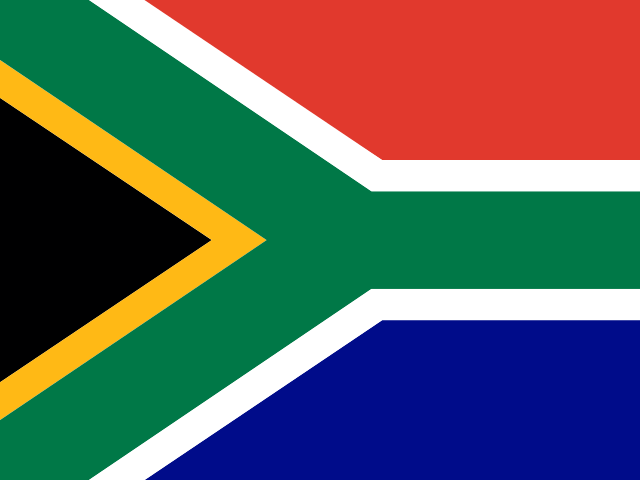
Where: ZA