



My Herb and Sauce Tips for Cooking Portugal Authentically

 AI-generated
Article
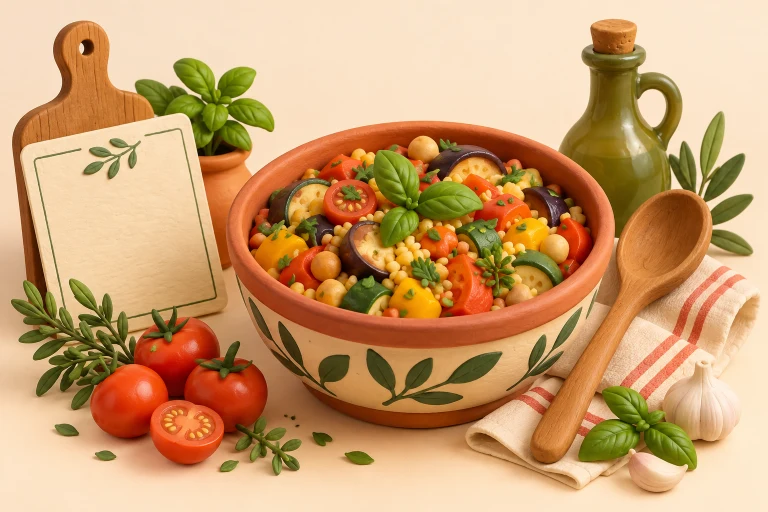
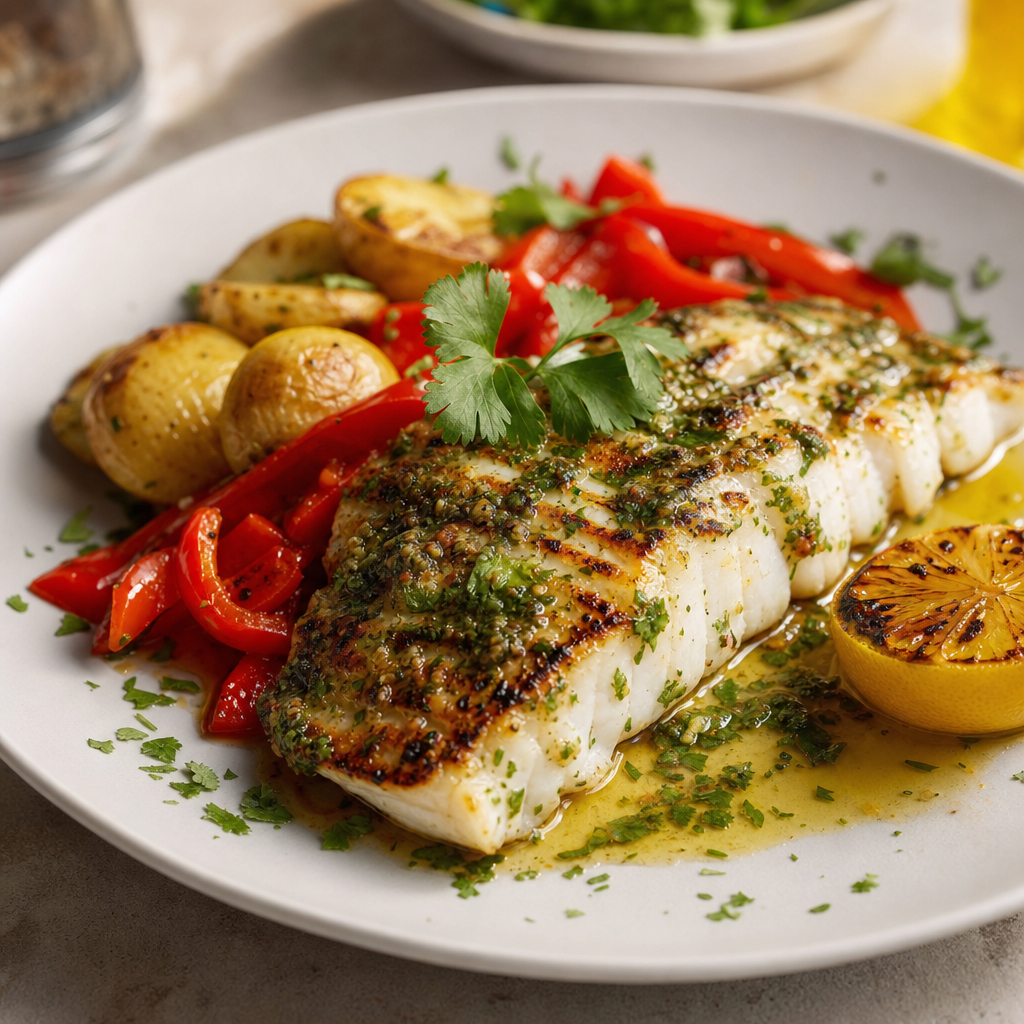
When I think of Portugal, I first think of a cuisine that speaks softly but accurately. At LaBouffe, that is exactly what I like to share when I offer tips: I am not trying to cover up ingredients, I am trying to let them breathe. In Portugal, spices, aromatics, sauces and herbs are not there to make noise; they are there to maintain balance. I often start with a very simple foundation, one that is almost reassuring to me: garlic, bay leaf, olive oil, then I bring in parsley, coriander, sweet paprika or piri-piri depending on the mood of the dish. That language moves me because it resembles the sincere conversations I prefer to perfect shop windows. There is something straightforward, warm and slightly vintage about this way of cooking, like a notebook page annotated in pencil, with precise, unfussy gestures. I often recommend thinking of Portuguese herbs as a signature rather than decoration. Coriander, for instance, does not merely finish a plate: it gives its accent to shellfish, grilled fish, warm potatoes or amêijoas à Bulhão Pato, where garlic, olive oil and lemon almost make a sauce all by themselves. Parsley, meanwhile, brings a more discreet freshness, very useful when I want to preserve lightness in a cod dish or a seafood rice. And I use bay leaf as a base note of depth, especially in stews, beans, vegetable broths or bacalhau dishes. In Lisbon, when I think of the miradouros, I always imagine that mingled scent of grilled food, sea air and fresh herbs rising from kitchens: it is an atmosphere, but also a method. I find that a good Portuguese dish is often built from few elements, provided they are chosen carefully. My most useful tips are simple. First, I gently sauté the garlic in olive oil before adding the rest, to avoid bitterness and create a rounded base. Next, I add the bay leaf very early, then the coriander or parsley only at the end, in order to preserve their freshness. Lastly, I save piri-piri for lifting a dish, not masking it: a touch is often enough to awaken a caldo verde, a plate of octopus, or roasted vegetables served with a garlic-and-lemon sauce. Two examples always come to mind when I talk about Portuguese cuisine: with grilled sardines, I simply combine olive oil, crushed garlic, lemon and parsley for a clean, straightforward seasoning; with clams, I prefer a base of white wine, garlic, coriander and olive oil, because the dish thus retains all its clarity. This is the kind of balance I seek at LaBouffe: a lively, readable, generous cuisine, in which every herb and every sauce has its place without speaking over the other ingredients.
Information
Where: Portugal