


From koffie verkeerd to jenever: my drink benchmarks in the Netherlands

 AI-generated
Article
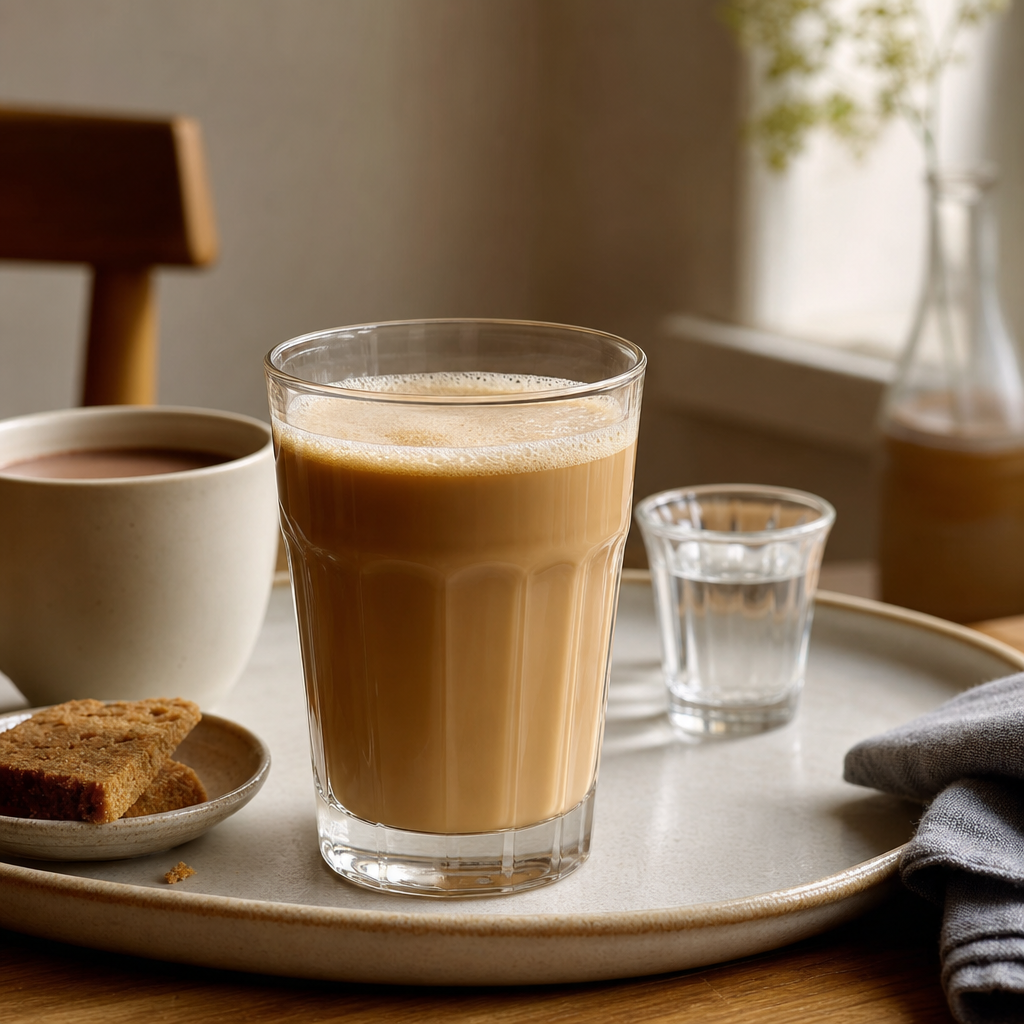
I often describe the Dutch table as a cuisine of simple yet precise gestures. When I think of the Netherlands, what comes back to me most are the drinks that accompany everyday moments rather than grand displays: black coffee in the morning, sometimes turned into a Dutch-style koffie verkeerd with a little milk; tea served without ceremony; and buttermilk or hot chocolate when I want something gentler and more filling. I like this restraint because it matches the way I eat and talk: I prefer a drink that is right, useful, and well placed over mere decoration. Even around Amsterdam’s canals, what strikes me is not the folklore, but the consistency in the way people drink something that genuinely follows the rhythm of the meal. In practice, I use it in two very concrete ways. First, at breakfast or for a light lunch, I choose black tea or coffee with a cheese boterham, because it keeps the meal clear and straightforward. Then, for an aperitif, I think of jenever—especially jonge jenever—served chilled with bitterballen or a cheese platter, when I want to stay within a local tradition without weighing down the evening. Beer also has its place, but I gladly save it for times when something convivial and straightforward is needed, alongside salty snacks or a simple dish. As for wine, I remain restrained: it is not the drink that best tells the story of the Netherlands, but I may serve a dry white if the table is modern and I want to keep the pairing clean. Ultimately, what I take away is that in the Netherlands, a drink is not there to impress; it serves the meal and the conversation. That is exactly the kind of tip I like to share in LaBouffe: practical, local benchmarks, honest enough to hold up in real life. Alcohol abuse is dangerous to health. Drink in moderation.
Information
Where: Pays-Bas