


My Japanese Tips for Elevating the Table Without Weighing It Down

 AI-generated
Article
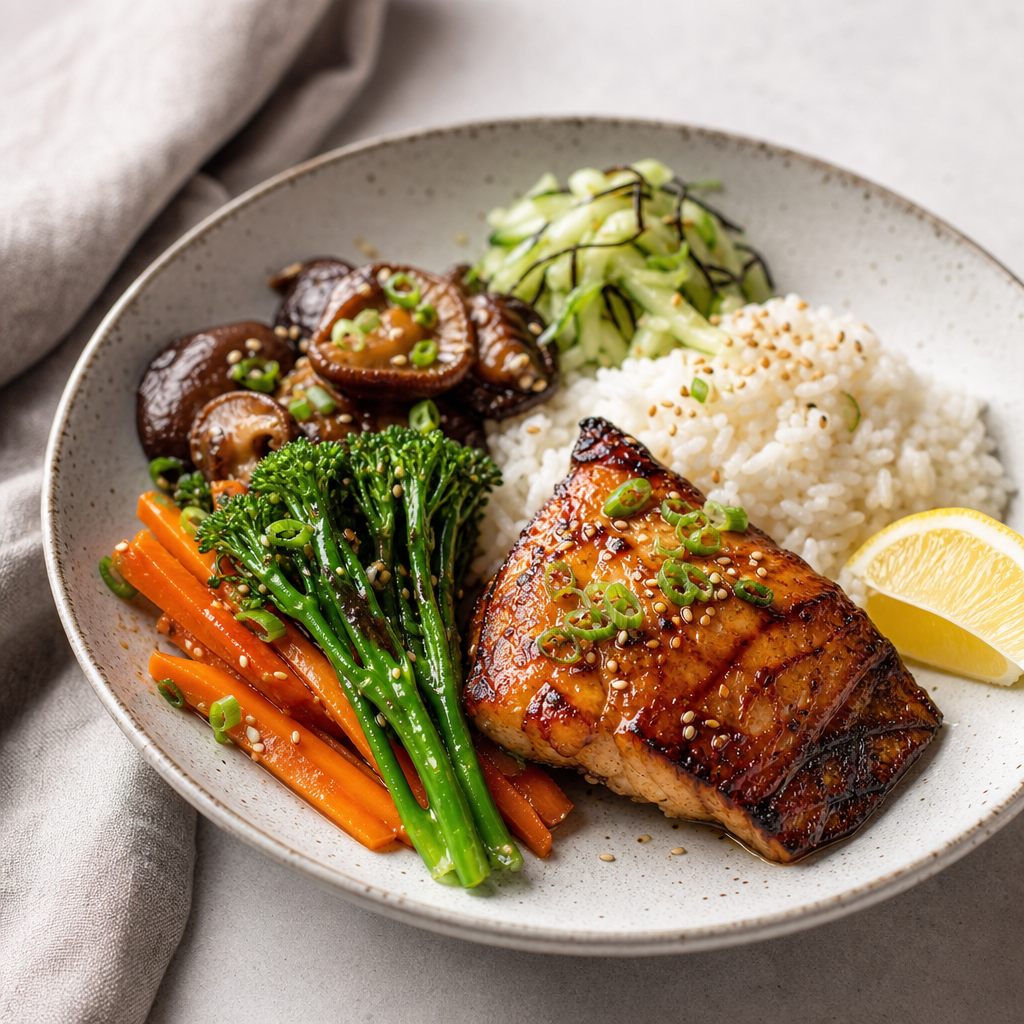
I still believe in encounters that do you good, and in my kitchen, that often comes through simple gestures that add dimension without making things heavy. In LaBouffe, I like to talk about tips that fit into real life: when I get home late, when I want colour on the plate and a dish that feels light, I turn to distinctly Japanese staples such as shoyu, miso, dashi, mirin and rice vinegar. In Tokyo, with that slightly vibrant energy I associate with the streets of Shibuya, I understood that good seasoning does not need to overdo it to feel right. I draw on this understated yet delicious approach in my everyday meals: a spoonful of miso in a soup or sauce, a few drops of ponzu to wake up grilled fish, a drizzle of shoyu over steamed vegetables—and suddenly the flavour becomes cleaner, rounder, more inviting. What I also love are the herbs and spices that truly define Japanese cooking. Shiso brings an almost anise-like freshness that I happily add to a cucumber salad or over a bowl of still-warm rice; sansho, with its lemony, lightly spicy character, is wonderful on pan-fried tofu or grilled aubergines; and grated ginger gives momentum to a marinade for chicken or mushrooms. I often use furikake to finish plain white rice when I want a simple but cheerful meal, or a little aonori and nori to bring a sea-scented note to soba noodles. Even sesame, toasted or in paste form, changes everything: it gives substance to a dipping sauce for raw vegetables and softens a rice-vinegar dressing. My two favourite, very practical examples are a bowl of rice with salmon, shiso and a dash of shoyu for a quick yet elegant dinner, and miso soup enriched with negi, tofu and a little yuzu for an evening when I need warmth without heaviness. I cook the way I approach sharing: with tenderness, precision and the desire for every bite to tell something true.
Information
Where: JP