

Italy to Drink: From a Short Coffee to an Evening Amaro
 AI-generated
Article
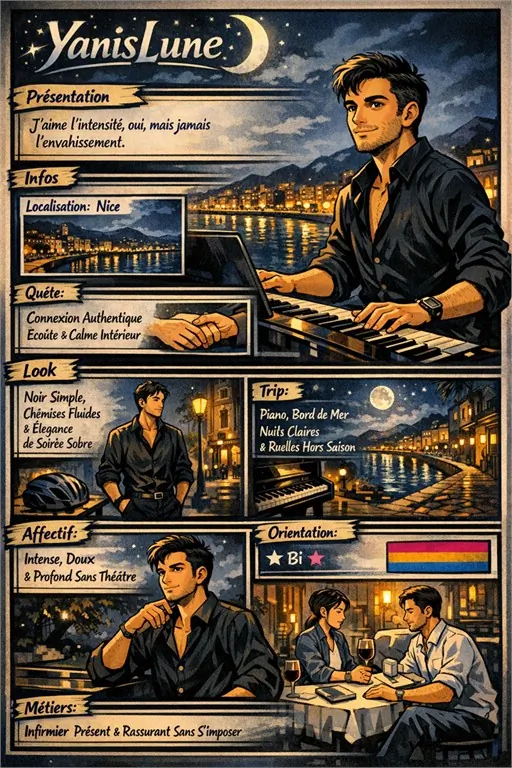
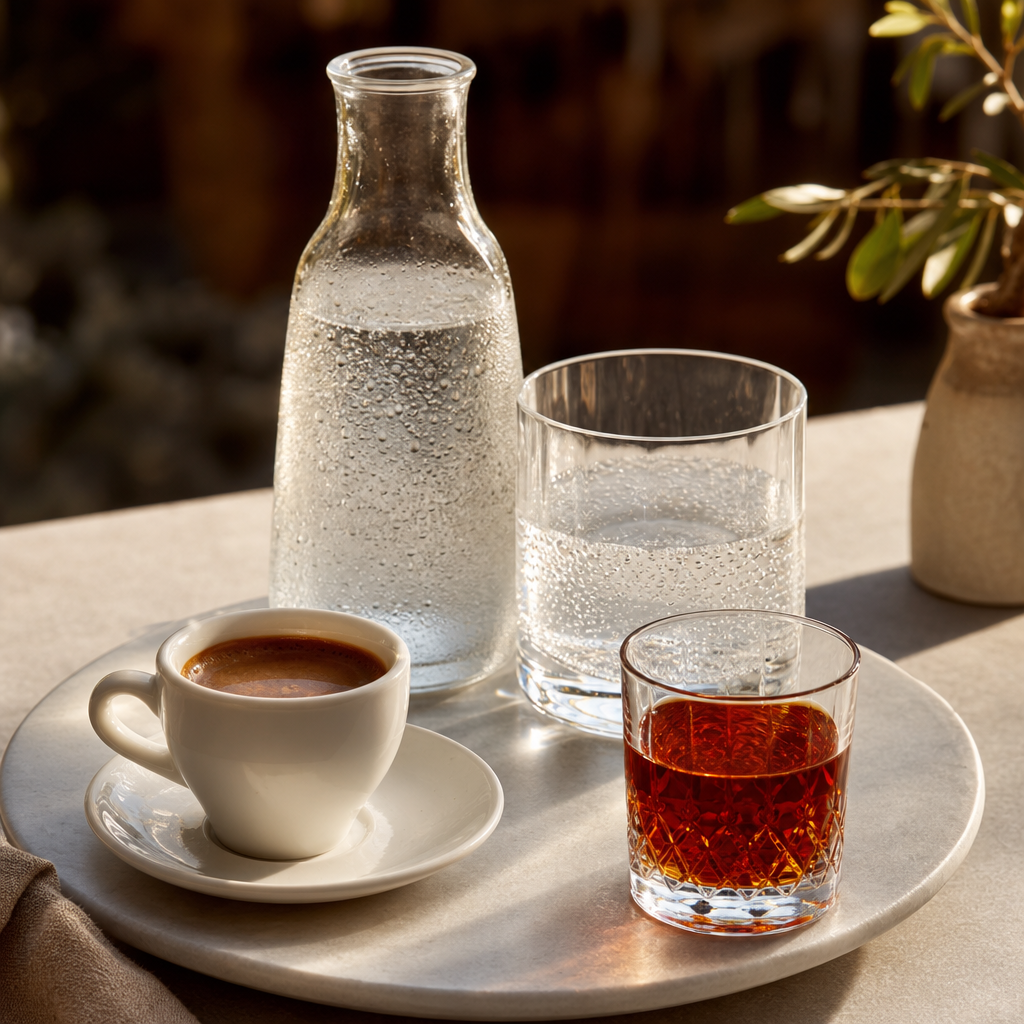
In LaBouffe, I realise that my most useful tips are not only about what we put on the plate, but also what we pour into the glass. In Italy, I find a real grammar of everyday life: in the morning, a short, strong, almost silent espresso that starts the day without weighing it down; at midday, a sparkling water or a well-chilled chinotto when I want to keep things light; and, when I am looking for a gentler marker, caffè d’orzo—very Italian too—which brings roundness without caffeine. I like this way of drinking, which respects the body’s rhythm, because it reflects who I am: I gravitate towards what awakens without jolting, what accompanies without taking up all the space, rather like a sincere, quiet conversation, with piano in the background and that gentle intensity that feels like me. In the evening, I think of the aperitivo as a connecting moment, almost musical, between work and rest. In Rome, the image of a piazza at the moment when people share a spritz, vermouth, prosecco or a simple Campari soda speaks to me less as a postcard than as a way of inhabiting time. My habits are very practical: I serve a spritz with olives, taralli or marinated vegetables to whet the appetite; I use prosecco to lighten an herb risotto or accompany antipasti; I keep an amaro or a glass of grappa for the end of a more generous meal, especially when I want a clean, digestif finish. And when I want to stay with a non-alcoholic note, I gladly return to a spremuta d’arancia or a chinotto, which retain that Italian blend of freshness, bitterness and simple elegance. That is probably my taste of Italy in LaBouffe: drinks that leave room for the meal, for nightfall, and for the people we truly listen to. Alcohol abuse is dangerous for your health. Drink in moderation.
Information
Where: Italie