


My Simple, Spot-On Flavour Tips from the Grand Est

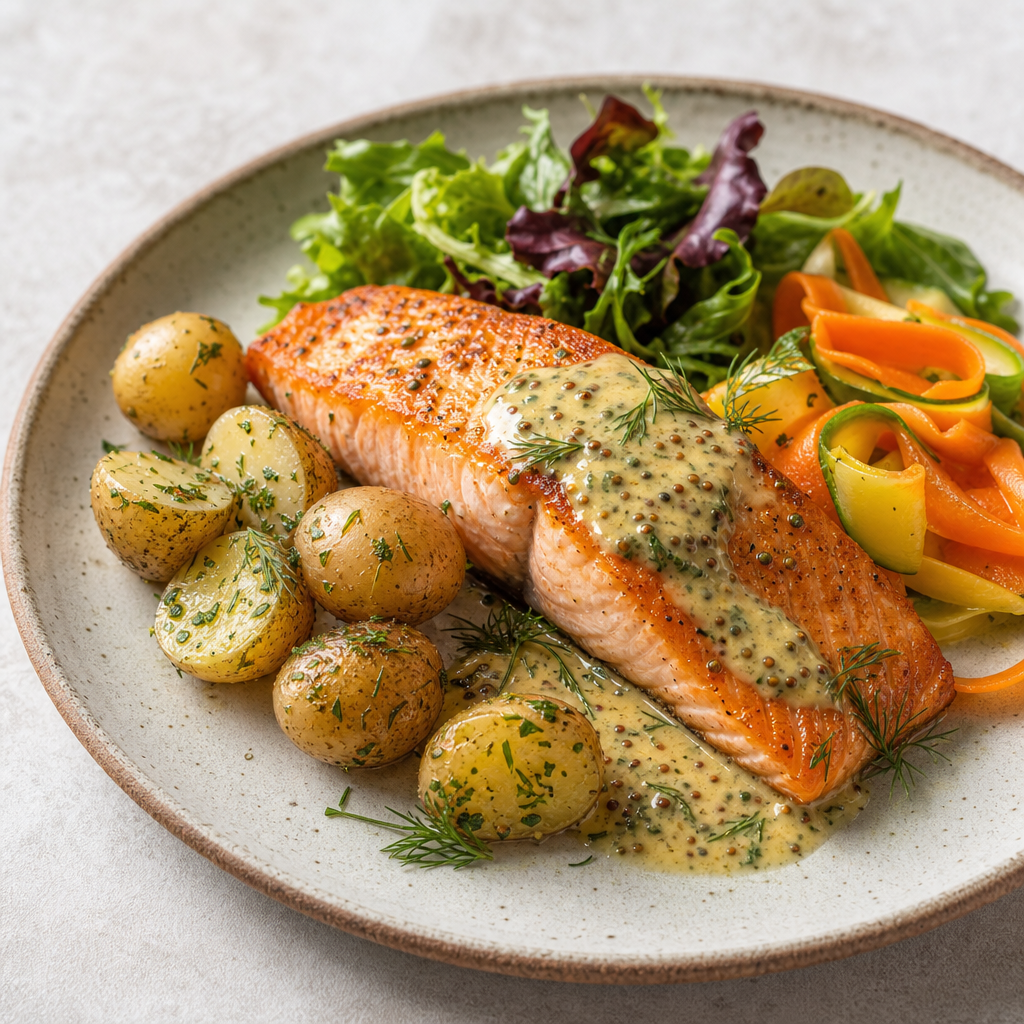 AI-generated
Article
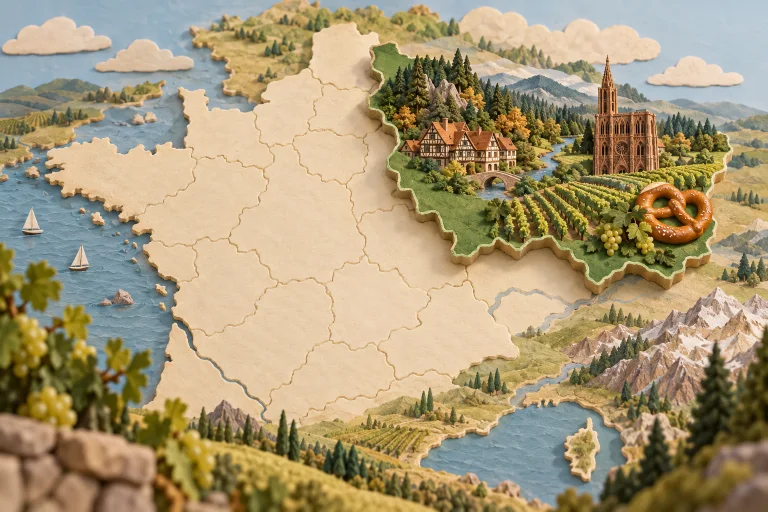
I often cook as I live: without pressure, using simple gestures and reliable reference points. In LaBouffe, I am especially fond of tips that bring flavour without making the evening more complicated, because I am looking for neither performance nor showy cooking. When I get home after a walk around Petite France, the quays, Parc de l’Orangerie, or an afternoon in Metz or Nancy, I often return to very Grand Est basics: an onion gently melted down, a well-made bouquet garni, a dash of white wine, a touch of mustard or a hint of caraway. They are modest details, but in my home they are what turn a quiet dish into a real meal. I also feel that this cooking resembles me somewhat: understated at first glance, yet precise once you take the time to let it speak. In this region, I rely heavily on herbs and spices with character that do not overpower everything else. Parsley, chives, thyme, bay leaf, marjoram, juniper berries, nutmeg and caraway often find their way onto my plates, because they naturally complement local dishes. I am thinking, for instance, of sauerkraut, where I add juniper and bay leaf from the start of cooking to soften the cabbage, then a little mustard at the table to awaken the whole dish. I also think of a quiche Lorraine, where I do not overdo things, but where a touch of nutmeg in the custard mixture truly changes the depth of flavour. And when I make a braised meat dish, I like to pair it with a sauce of white wine, shallots and cream, very much in the spirit of Alsatian and Lorraine tables: I keep the sauce short and clean, with just enough herbs for it to support the dish rather than conceal it. What I like about these tips is that they adapt to my pace. I do not need a long list of ingredients to eat well—just a little method and a few good instincts. For example, I almost always start a sauté with a base of garlic, onion and shallot, then finish it with parsley or chives to bring freshness. I do the same with sauces: Reims mustard, or any good sharp mustard, in a vinaigrette is enough to give definition to endives, warm potatoes or a beetroot salad, and I find in that something deeply rooted in the Grand Est: straightforward, simple and effective. I cook as I walk: without rushing, observing, adjusting, looking for the right balance. And in the end, perhaps that is my idea of LaBouffe: unhurried habits, carefully chosen regional flavours, and the desire to eat well without putting pressure on oneself.
Information
Where: Grand Est