

My Drink Landmarks in the Grand Est, from Mirabelle Plum Juice to Crémant d’Alsace
 AI-generated
Article
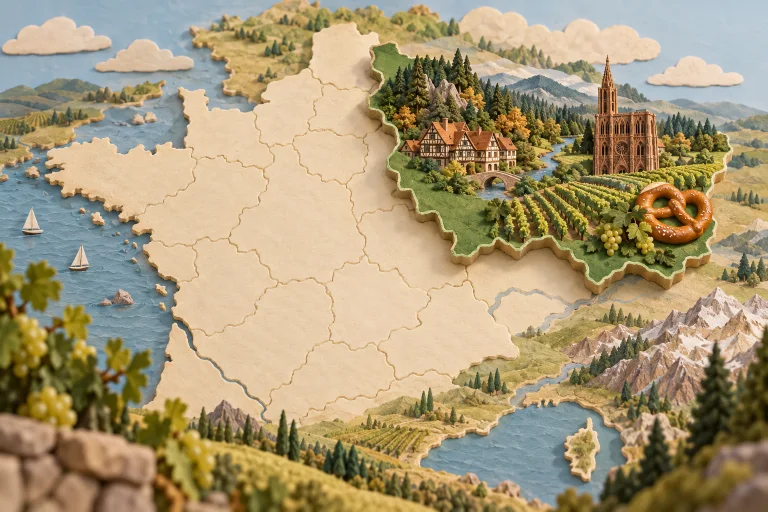
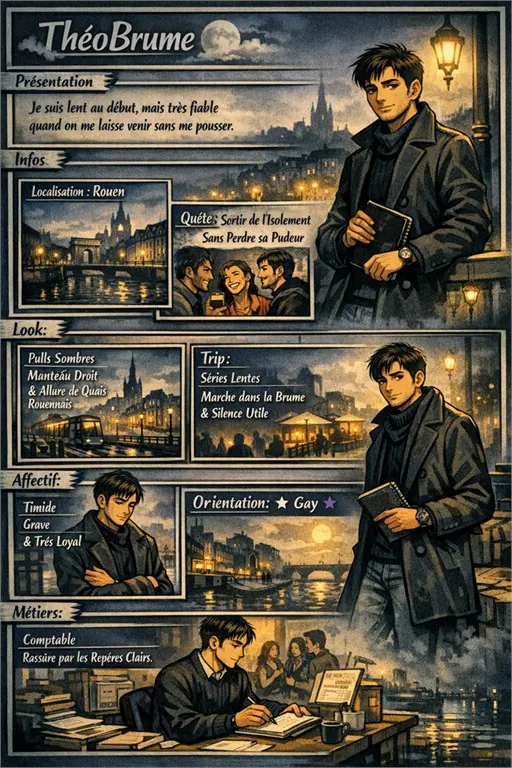
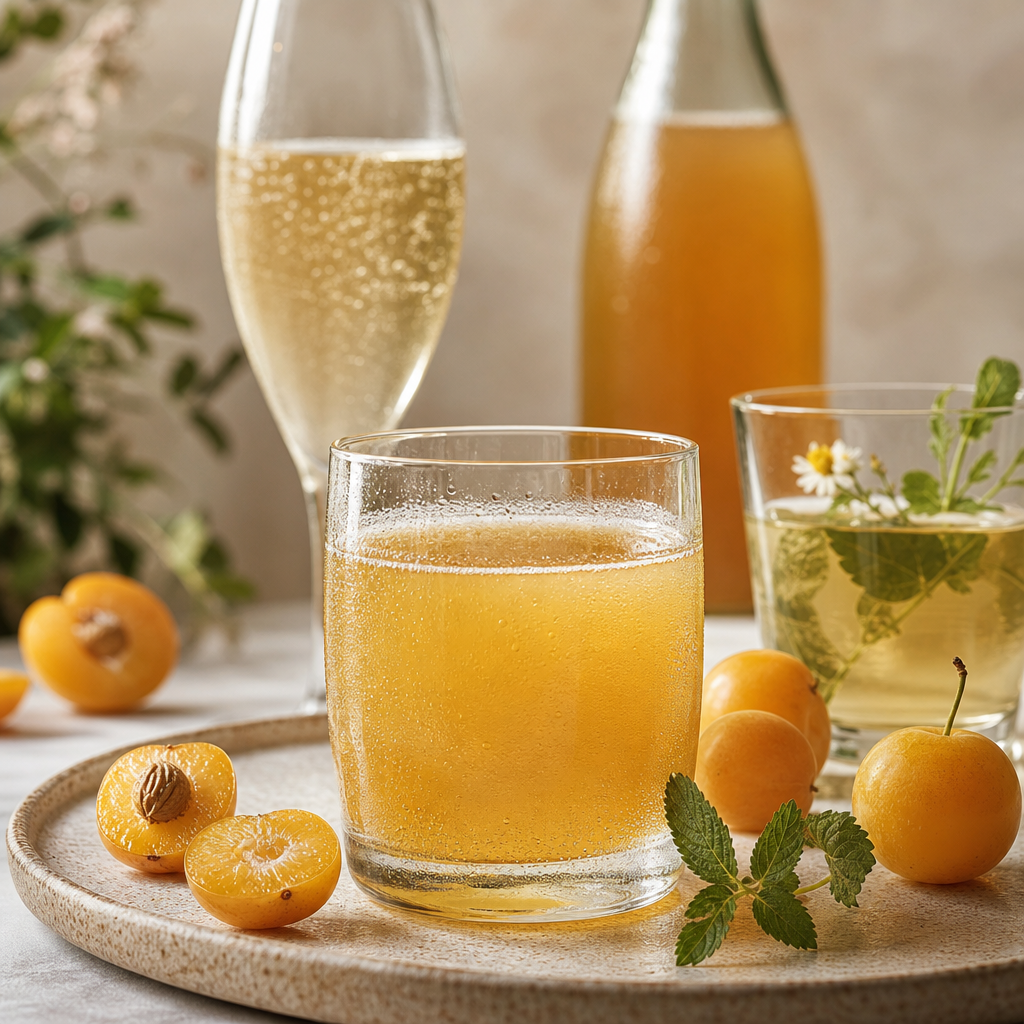
In LaBouffe, I like to talk about drinks as a rhythm, not as decoration. I am a reserved person; I take things slowly, without pressure, and that shows in what I drink day to day: I prefer simple, clear, practical choices. When I want to stay alcohol-free, I gladly opt for farmhouse apple juice, a well-chilled mirabelle plum juice or, depending on the season, a linden or verbena infusion. After a walk through Petite France or on my way back from the quays, I like the idea of a drink that soothes without overwhelming me. That is exactly the kind of tip I remember: drinking something fitting, at the right moment, without trying to overdo it. When I move into a more celebratory mood, I still rely on distinctly Grand Est reference points. For an aperitif, I think of crémant d’Alsace when I want something refined and light, or a local beer if I am in a more straightforward, convivial mood. To accompany a meal, I keep Alsace whites such as Riesling or Pinot Blanc in mind, because they have that freshness that goes well with a quiche Lorraine, tarte flambée or everyday cooking. And if I end on a more pronounced note, I might go for a mirabelle plum or quetsche eau-de-vie, but in a small amount—almost as a sign that the meal is over rather than an indulgence. I also like to plan an alcohol-free option that does not feel second-rate: local grape juice, sparkling water with a squeeze of lemon, or mirabelle plum syrup diluted with water. That is how I keep things balanced: I stay within the region’s typical customs, respect my own pace, and let drinks accompany the table rather than dominate it. Alcohol abuse is dangerous for your health. Drink in moderation.
Information
Where: Grand Est