



My Czech Cooking Tips: Caraway, Marjoram, and Warming Sauces

 AI-generated
Article
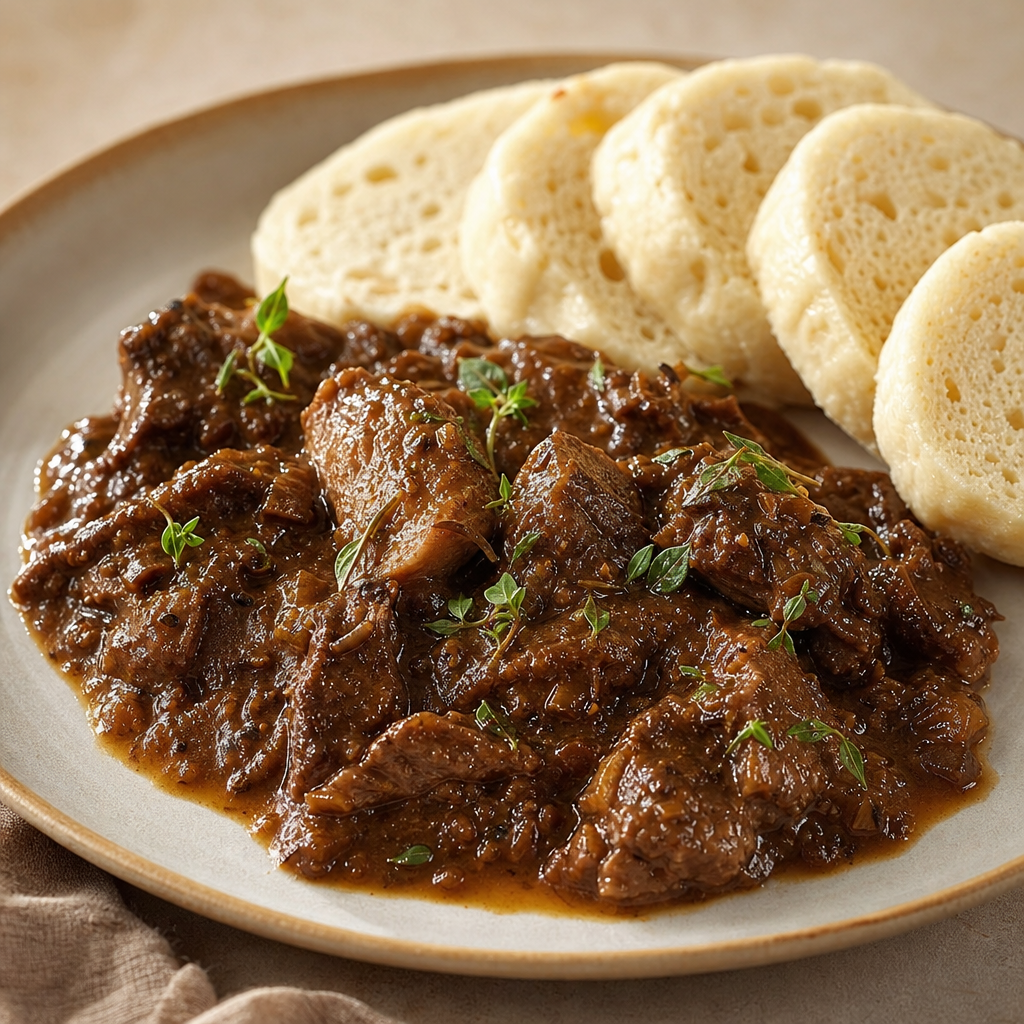
I often cook the way I walk through Prague when I need calm: quietly, attentively, letting the aromas arrive before the words. What I love about Czech cuisine is precisely this restraint in flavour. These are not flavours that seek to impress, but straightforward, reassuring touchstones: kmín, or caraway; marjoram; dill; garlic; onion; bay leaf; sometimes allspice; and that very local way of bringing dishes together with a mild sauce, crème fraîche, or a slightly tangy stock. For me, it is the ideal balance when I want to eat simply without sacrificing pleasure. I find something in it that feels like me: I like things that are sincere, not overly showy, yet distinct enough to be recognised immediately. When I look for truly useful tips, I think first of practical uses. I often start with a base of onion gently sautéed in butter or oil, then add caraway to roasted potatoes, braised cabbage, or a vegetable broth, because this seed immediately gives a dish a very Czech character. I use marjoram at the end, never too early, in a potato soup, a lentil stew, or a sauce to accompany slow-cooked meat, as its fragrance quickly fades if I treat it too roughly. Dill, meanwhile, helps me lighten things up: I like it in a yoghurt- or cream-based sauce served with eggs, potatoes, or fish, and it is exactly the sort of detail that transforms a meal without making it more complicated. I also think of the country's emblematic sauces, such as koprová omáčka, so central to Czech cuisine, in which dill brings an almost sweet freshness, or a brown sauce thickened with stock and cream, which goes well with tender meat and knedlíky. In both cases, I find that measured style of cooking: nourishing, but never heavy when I use the herbs in the right proportions. What I love about these typical Czech seasonings is that they help me maintain a simple, almost soothing rhythm. I can make a meal after a busy day and remain true to my desire for clarity: one dish, one main herb, one well-considered sauce, and I do not need to do any more. Over time, I have understood that in cooking too, discretion can have a great deal of character. When I cook with caraway, dill, marjoram, or a lightly tangy sauce, I am not trying to disguise the ingredients; I am accompanying them. And that is undoubtedly why this Czech palette speaks to me so deeply: it is precise, warm, and leaves room for who I am—reserved but attentive, with a taste for things that feel just right.
Information
Where: CZ