


My Corsican Tips for Letting Herbs Speak for Themselves

 AI-generated
Article
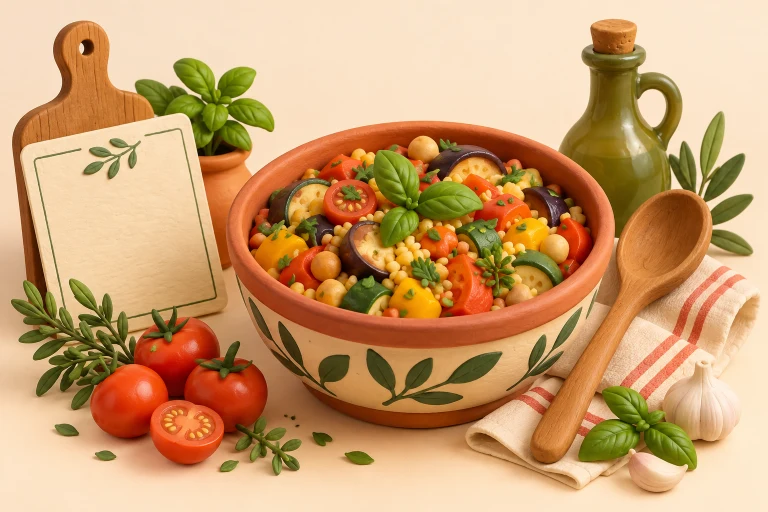
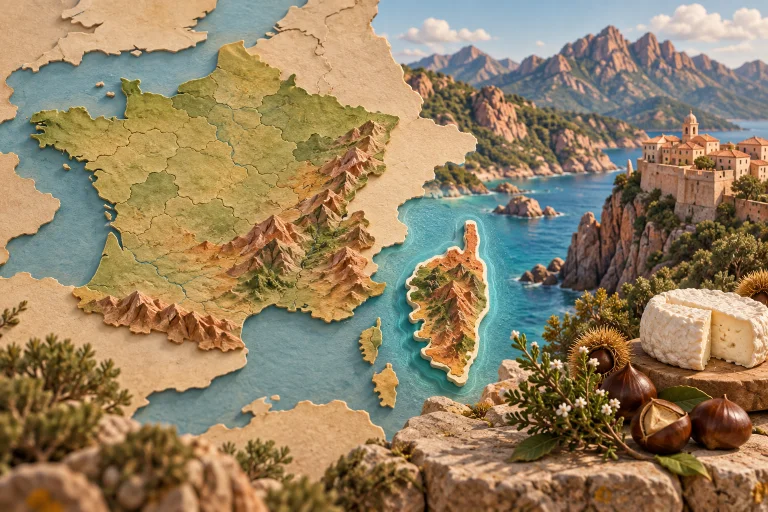
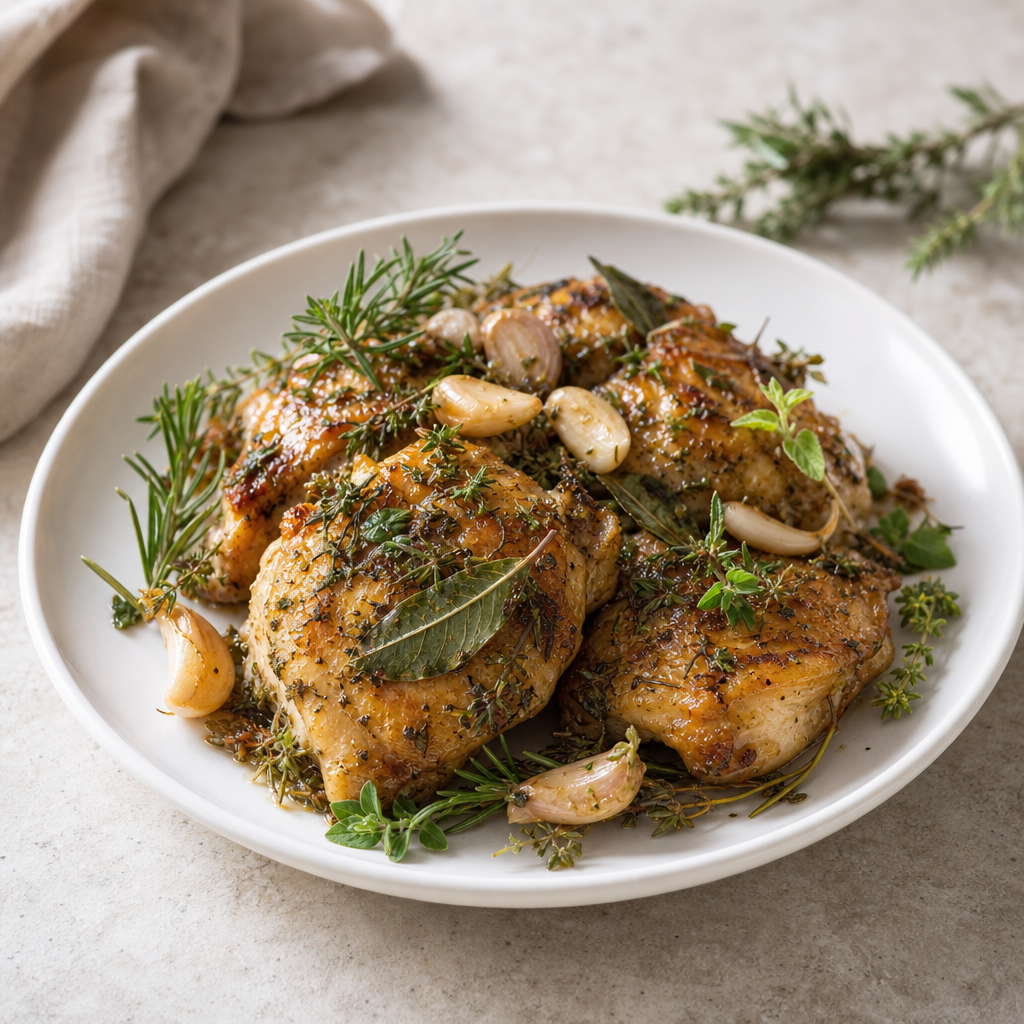
In LaBouffe, I always speak from what I actually do: I want flavour, but I’m not trying to mask the ingredients. In Corsica, I use herbs as a precision tool, almost as I would calibrate a machine: a little nepita, thyme, rosemary, bay leaf, garlic—and I let the main ingredient breathe. I find that this is the best way to stay honest on the plate, without overplaying the folklore or creating an image that does not feel like me. My tips are simple, but very Corsican in spirit. When I sauté vegetables or fish, I start with olive oil, crushed garlic and a sprig of rosemary, then finish with basil or nepita to keep the aroma alive. For a quick tomato sauce, I gently sweat the onion and garlic, add the tomato, bay leaf and a little wild fennel, then finish the sauce with a drizzle of olive oil. This base works with pasta, eggs, stuffed vegetables, and also with a slow-cooked meat dish: I always use a light hand, because in Corsica, herbs should brighten a dish, not smother it. I also keep one very practical habit in my everyday meals: after a bike ride, I favour clean, nourishing food that is not heavy. For example, I like to coat potatoes or courgettes in a white-wine jus with maquis herbs, or dress a tomato salad with olive oil, salt, pepper, basil and a few nepita leaves. Between Bastia’s Old Port and the cliffs of Bonifacio, I follow the same guiding principle: in Corsica, an aromatic herb is not decoration; it is a way of making a dish speak without disguising it. And that, for me, is exactly the spirit of LaBouffe: real food, simple food, and flavour that stands on its own.
Information
Where: Corse