


In My Glass in Germany: Schorle, Riesling and a Few Handy Reference Points

 AI-generated
Article
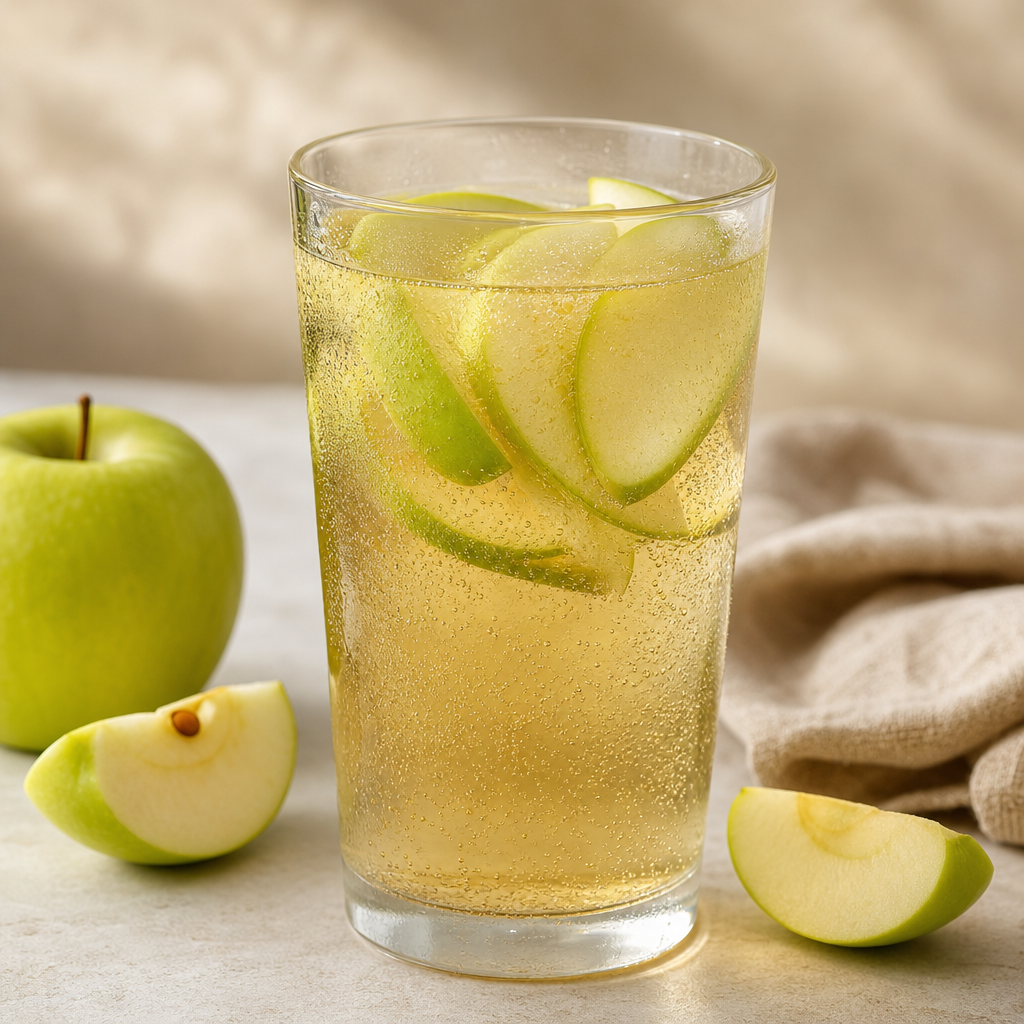
I talk about LaBouffe as I live the rest of my life: with restraint, care, and the desire to keep things right. When I think of Germany’s typical drinks, I do not think only of what accompanies a meal, but of the way they set a pace. I like this drinking culture that does not seek gratuitous effect. It can be simple, with a well-chilled Apfelschorle—apple juice topped up with sparkling water—and I find it a genuinely good table drink: crisp, balanced, easy to have with a slightly rich lunch or with a plate of cold cuts and potatoes. This is exactly the kind of tip I like in LaBouffe: something concrete, practical, and able to improve a meal without making it more complicated. I also have real respect for drinks more rooted in the aperitif or end-of-meal moment, especially when they remain within a mindset of moderation. In Germany, I think of a dry Riesling if I want to retain freshness with a fish dish, a warm salad, or even a well-seasoned savoury tart. I also think of Korn, Obstler, or certain Kräuterliköre when the idea is instead to mark a transition: a short, straightforward drink, often shared before a hearty dinner or after a simple evening with close friends. I do not make them into a spectacular ritual: I see them as cultural reference points, drinks that say something about the country, its tables, and its direct way of getting to the essentials. When I want to keep things more accessible and more everyday, I readily return to non-alcoholic drinks. Here too, Germany has useful habits, and I find them very good for maintaining balance. Black tea or herbal infusions work very well after a substantial meal, especially if I have eaten food that is somewhat fatty or smoked. Fassbrause, when it is well made, can be substituted without betraying the idea of a convivial drink. And I also note that these choices reflect who I am: I am not trying to play a role; I prefer things that are clear, straightforward, without excess. In a more everyday setting, I can drink an Apfelschorle with homemade currywurst or grilled sausages, and I can serve a Riesling or a light beer with German sauerkraut to preserve contrast without weighing the whole meal down. These are the kinds of tips I remember: a well-chosen, well-placed drink can do as much for a meal as successful seasoning. Alcohol abuse is dangerous to health. Consume in moderation.
Information
Where: Allemagne